

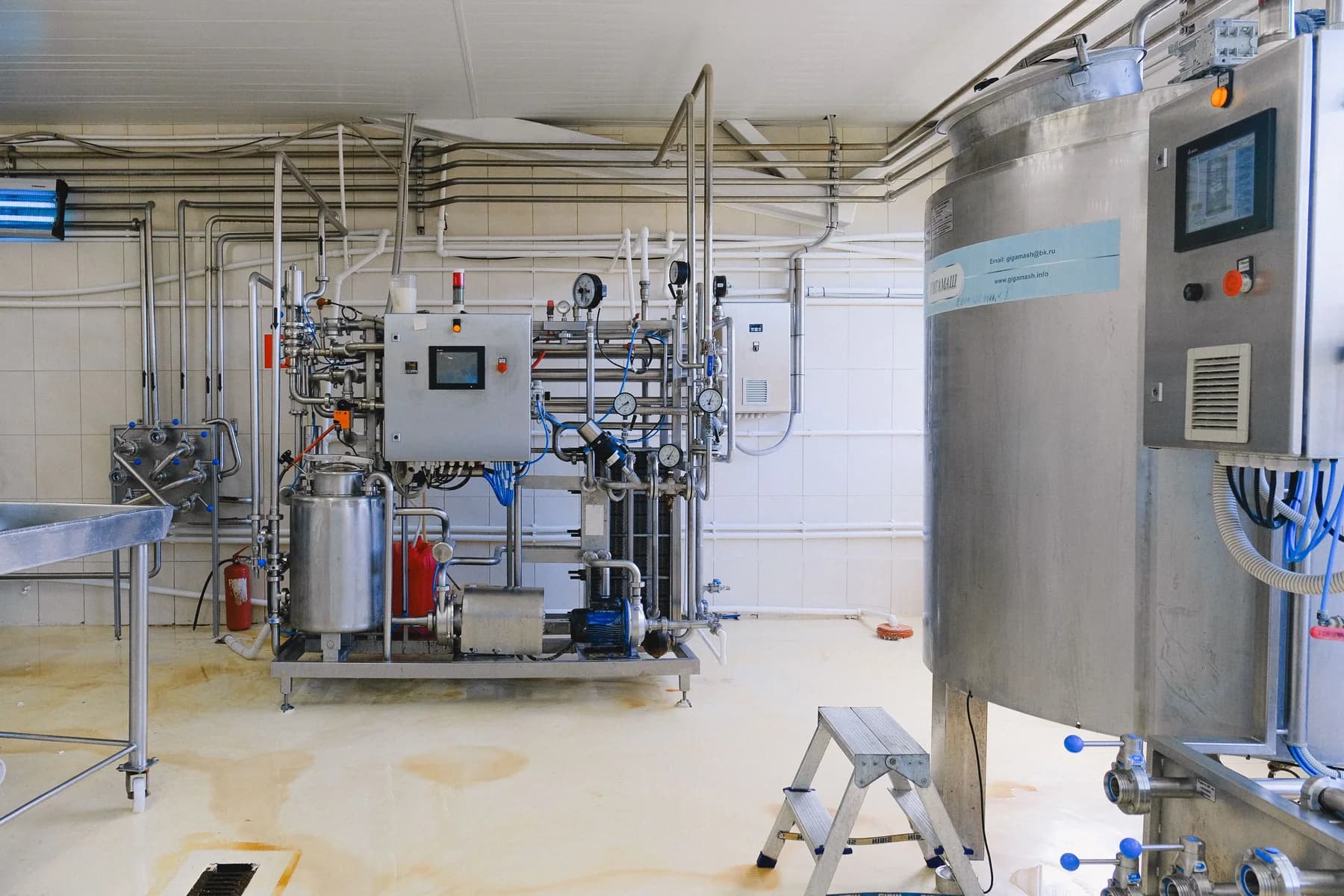
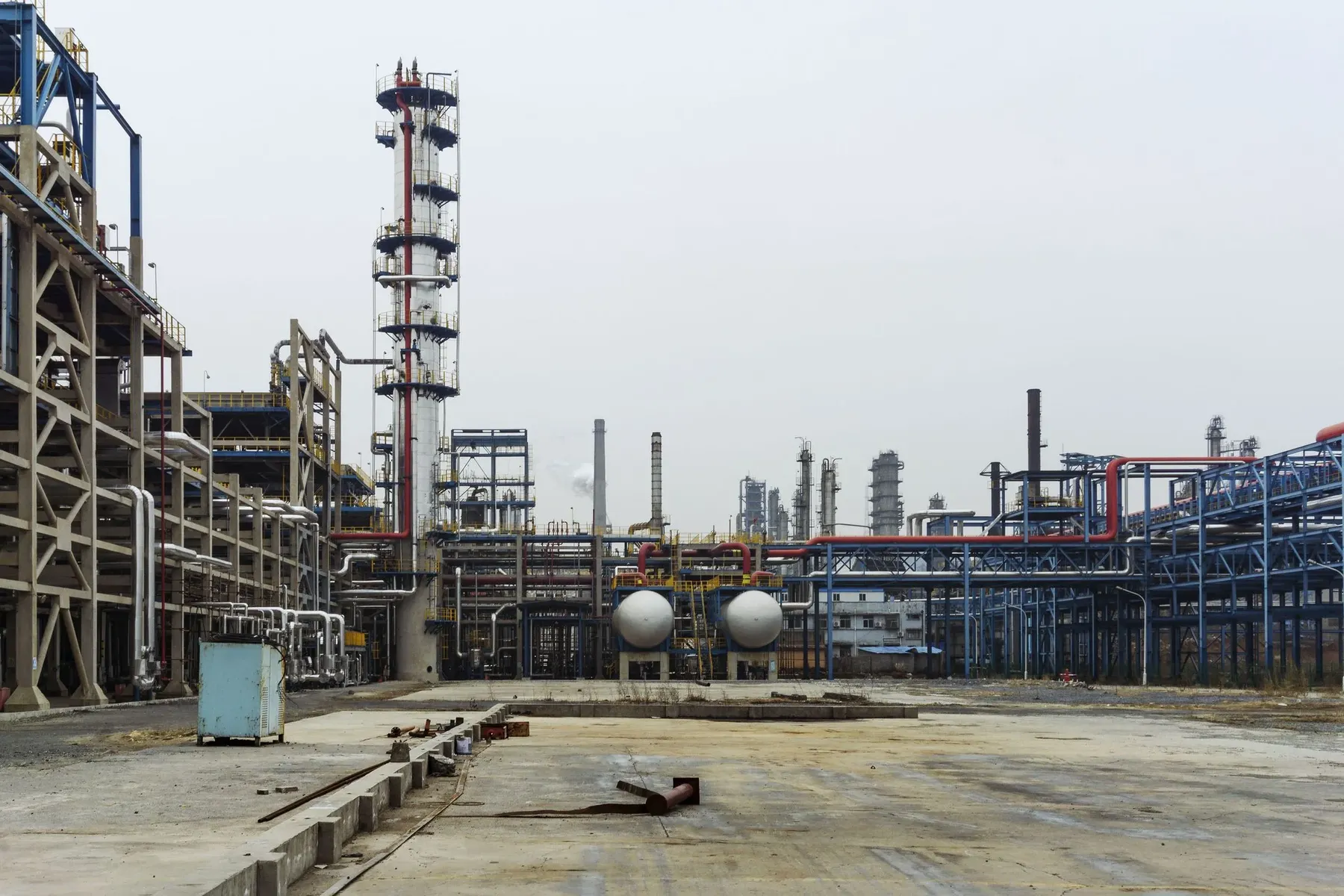
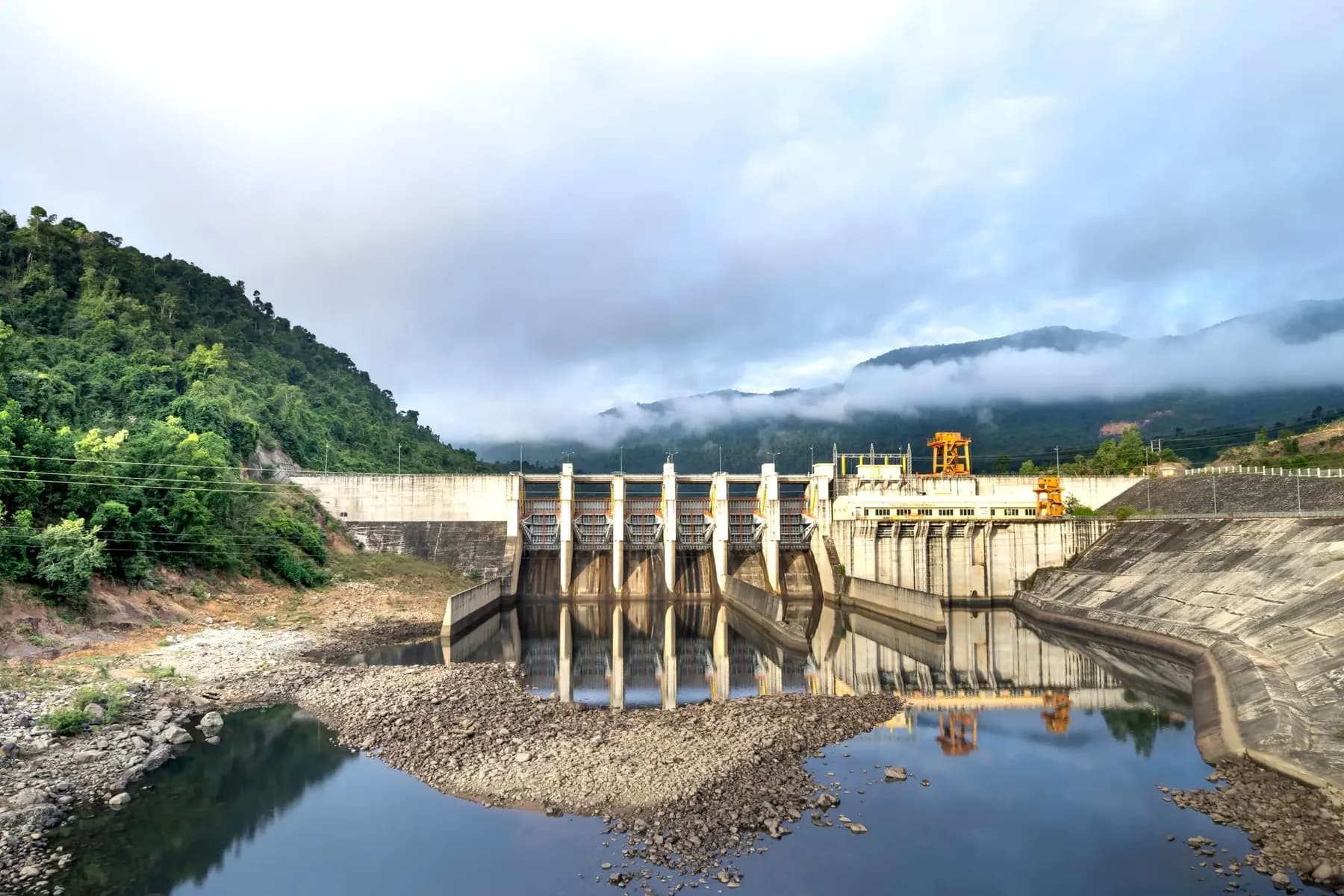





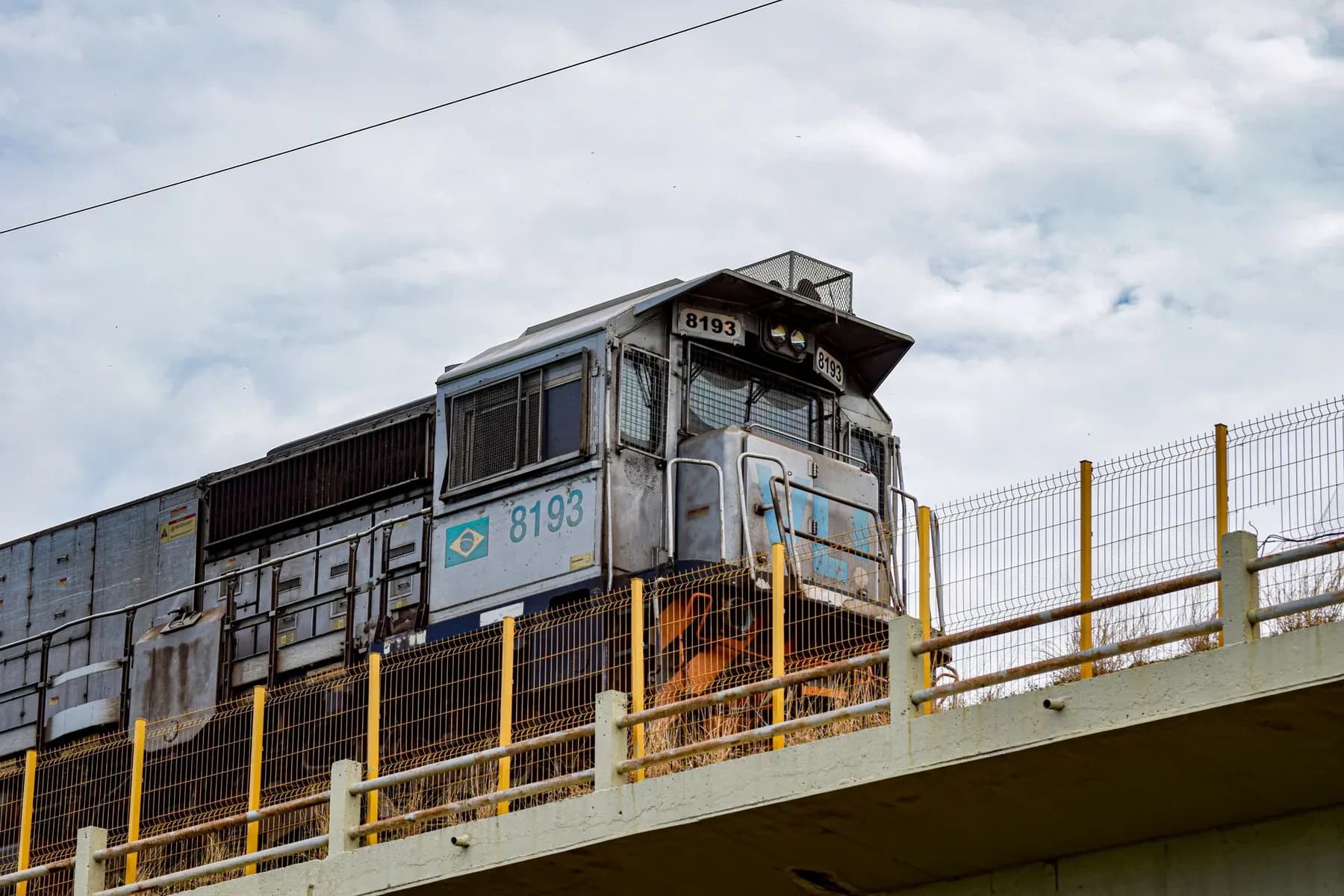
An OT environment acts on the physical world. A change that looks simple on paper may affect production, safety, quality, or the ability to restart. A credible approach therefore begins with operating context rather than a catalogue of tools.
Define what must keep running
The first step is to identify essential functions, the assets supporting them, and the consequences of losing availability or integrity. An inventory becomes useful when it connects each asset to a process, an owner, and a concrete dependency.
Understand dependencies before applying controls
DCS, SCADA, PLCs, historians, engineering workstations, and maintenance access form a chain. Required flows, legacy versions, outage windows, and recovery methods need to be understood before access is changed or a network is segmented.
Prioritize verifiable changes
A sound roadmap separates immediate measures, architectural work, and decisions that require factory or site acceptance. Each change should have an owner, acceptance criteria, and a rollback plan proportionate to operational risk.
Security as an operating discipline
OT cybersecurity is not an isolated project. It belongs in maintenance cycles, configuration changes, backups, supplier management, and response exercises. The goal is not a perfect diagram; it is a better-understood and more resilient operation.